The Last Kilometres
A mountain stay begins at the first transport decision, not at the lodge door. The final approach often determines everything after it.
Name every stage of arrival
“Accessible by cable car” can leave several important questions unanswered. How far is the accommodation from the upper station? Is that link a maintained path, a snowy traverse or a road closed to private vehicles? What happens when wind suspends the service? Read the journey as a chain of separate stages rather than a single reassuring phrase.
Write down the railway or bus stop, transfer point, roadhead, lift station and actual entrance where relevant. Confirm each stage with the organisation responsible for it. A lodge operator may know the usual arrangement, but transport operators control their own schedules and weather restrictions.
Distance is only one variable
A short approach can be difficult because of steep ground, loose material, exposure or poor visibility. A longer maintained route may be more straightforward in suitable conditions. Ask about the surface, ascent, descent, route finding and any sections where a fall would have serious consequences. Generic labels such as “easy walk” are meaningful only when connected to a recognised local description and current conditions.
Do not borrow a summer assumption for another season. Snow can cover path markings, hide hazards and turn a simple slope into terrain requiring specialist judgement. In the Cairngorms National Park, for example, a mountain such as Cairn Gorm illustrates how quickly an upland environment can differ from the valley below. That is geographic context, not a route recommendation.
Set a turnaround before enthusiasm takes over
Your arrival plan should include a point at which you stop trying to reach the accommodation. That decision might be triggered by time, visibility, transport closure, the condition of the least experienced traveller or a forecast change. Agree it before setting out, while everyone can consider the consequences calmly.
A paid reservation is not a safety argument. Read weather-related cancellation and rescheduling terms before booking, and keep enough flexibility to stay lower down. Establish whether an operator can suggest alternatives, but do not assume that another room or a transfer will be available. A realistic retreat plan has an actual destination and a feasible way to reach it.
Could you leave by a different plan?
If your only workable outcome is perfect weather and an uninterrupted transport connection, the itinerary is too brittle.
One shared route plan
Leave your intended route and expected return with a reliable person, including what they should do if you do not check in.
One workable alternative
Identify lower-level shelter, transport options and the conditions under which you will use them.
One honest ability check
Plan around the person with the least relevant experience, not the person most excited by the destination.
Match equipment to the route, not the room
A comfortable bed does not reduce the equipment needed to reach it. Carry suitable layers, waterproof protection, food, water, navigation tools and an independent light for the planned environment. The precise list depends on route, season and group competence. Where specialist equipment or skills are required, seek qualified local advice rather than treating a shopping list as training.
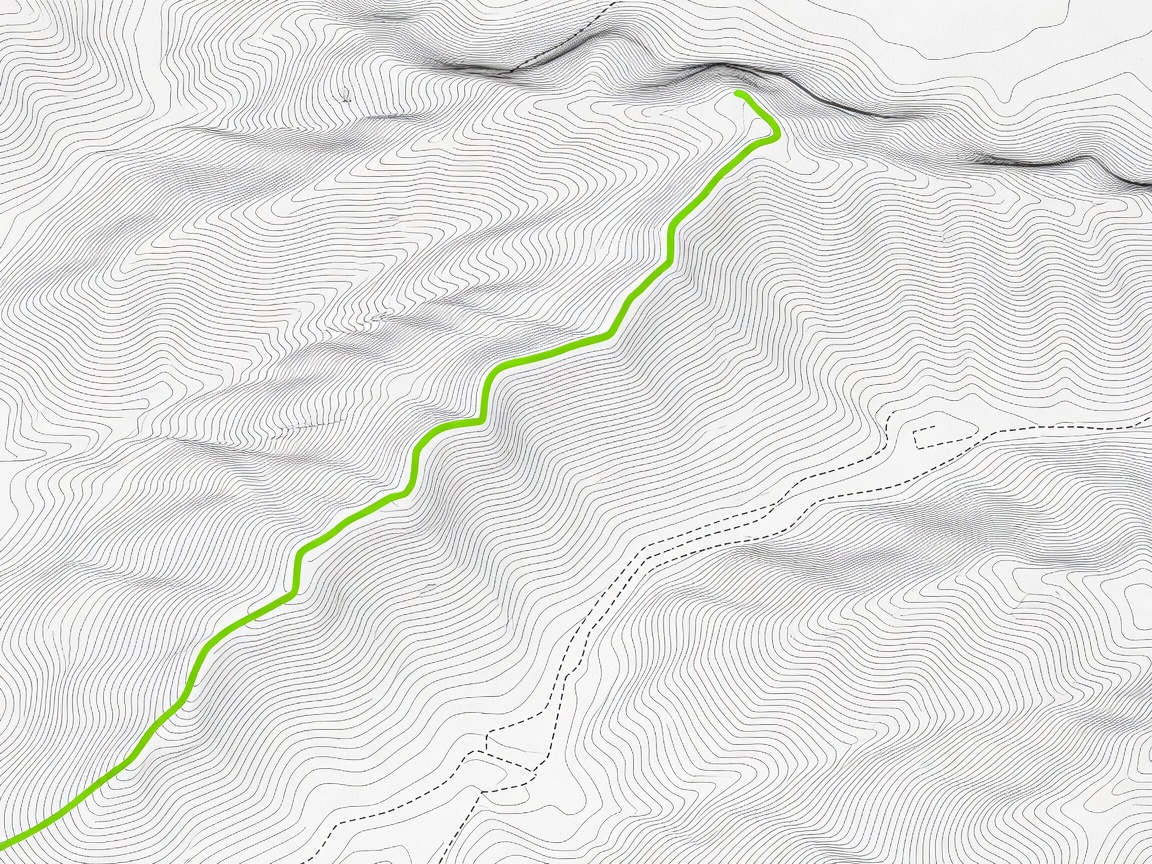
A phone is useful, but coverage, battery temperature and screen visibility are limitations. Download appropriate mapping and instructions before departure and carry a suitable backup you know how to use. This website's contour illustration is deliberately schematic: it has no navigational scale, terrain verification or current hazard information.
Winter is a different planning problem
Snow-covered mountain travel may involve avalanche terrain even when the destination is a staffed building. Consult the relevant regional avalanche service and understand that a bulletin describes a wider situation, not the safety of a particular slope. The European Avalanche Warning Services provides a useful route to regional services; the WSL Institute for Snow and Avalanche Research SLF is an authoritative Swiss source.
Avoid interpreting a lower danger level as permission to enter terrain beyond your knowledge. Wind, recent snowfall and warming can produce local problems that require observation and training. If the approach requires avalanche decision-making you cannot confidently perform, choose another stay or arrange appropriately qualified professional support.
Access includes the whole person
Ask accessibility questions in concrete terms: step heights, path width, gradients, handrails, luggage transfer, toilet arrangement and distance between arrival and sleeping spaces. “Accessible” may refer only to transport reaching a mountain station, not to the building beyond it. Request written details where a particular feature is essential to your trip.
Also consider altitude, fatigue and existing health needs. Rapid transport to a high location can remove the gradual effort that otherwise signals a change in environment. Discuss relevant medical concerns with a qualified clinician before travel. If someone becomes unwell, a room with a dramatic view is not a substitute for appropriate assessment or descent.
Keep emergency arrangements practical
In much of Europe, including Germany and Spain, 112 connects callers to emergency services. Coverage and response are not guaranteed at a remote location. Know the local arrangements, carry a clear description of your position, and follow the directions of emergency professionals. Do not use this website or the contact notebook for urgent assistance.
Before leaving, ask the accommodation operator how missed arrivals are handled and how guests should communicate delays. A clear check-in process supports good decisions; an assumption that someone will notice your absence does not. The point of planning is not to remove uncertainty, but to keep uncertainty from becoming your only plan.
- European Avalanche Warning Services
- WSL Institute for Snow and Avalanche Research SLF
- Cairngorms National Park